
Ski or Snowboard: What Suits the Beginner
Skiing is easy at first and hard later; snowboarding is the opposite. What you injure on each, from what age, what happens on the drag lifts, and a verdict by age and type.
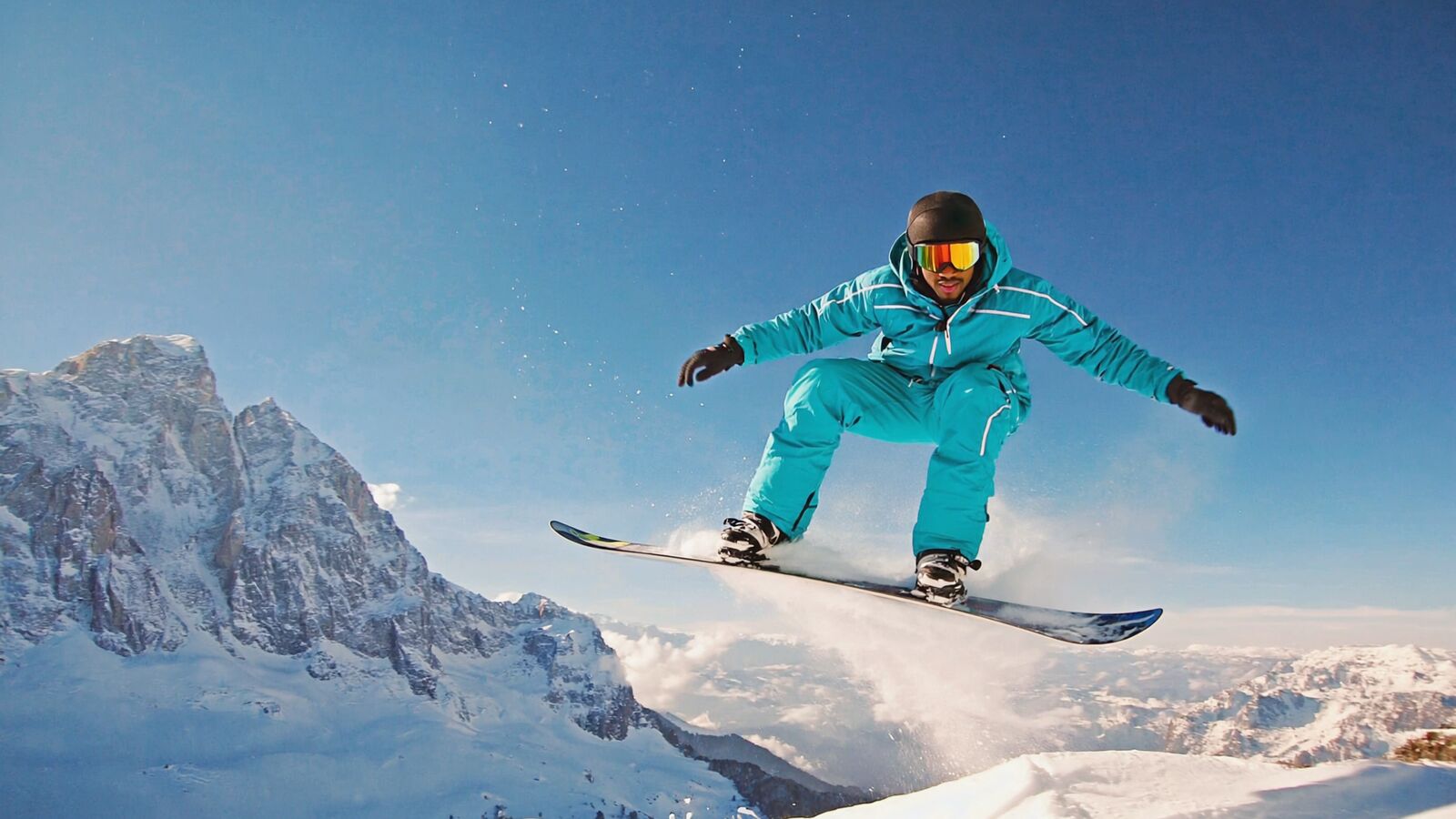
For a beginner with one week, skiing wins: easy to learn, fun by the second day, and suitable for small children and adults alike. Snowboarding is hard for the first three days and then advances fast, suiting mainly teenagers, surfers, and anyone with a sensitive knee. The difference in injuries: the knee in skiing, the wrist in snowboarding. This is the question every sixteen-year-old asks before the first vacation, and it has an answer.
The verdict in short:
- Child up to seven: ski
- Child aged 8–12: ski, unless he insists and has an older brother on a board
- Teenager: whatever he wants. Probably snowboard
- Adult, first time, one week: ski
- Adult with a sensitive knee: consider snowboard, with wrist guards
- Surfer or skater: snowboard, it will come easy
Which is easier to learn, ski or snowboard?
Skiing is easy to learn and hard to master. You stand facing forward as in walking, your legs are independent, you can step when you get stuck, and you stop in a "pizza" within an hour. Most beginners come down easy runs after two or three days and blue runs after a week or two. And then comes the wall: the transition from the pizza to true parallel turns takes many people years, and some stay with the pizza forever.
Snowboarding is hard to learn and easy to master. You stand sideways, both feet strapped to a single board, and when you fall, and you fall a lot, you get up with one foot strapped in. The first two or three days are suffering on your backside, knees and hands. And then something clicks, the rider links turn to turn, and from there progress is fast. After a week most snowboarders come down blue runs just like the skiers, and they have no wall like the pizza.
For anyone with one week a year who wants to enjoy it by the second day: ski. For anyone willing to suffer three days for fast progress: snowboard.
The injuries
The picture from the numbers is clear. In skiing the injury is the knee: an ACL tear is about 17 percent of ski injuries and less than 2 percent of snowboard injuries, because the legs are independent and the ski is a long lever on the knee. In snowboarding the injury is the wrist: 28 percent of injuries, versus 3 percent in skiing, because you fall forward or backward and throw out your hands. A beginner snowboarder wears wrist guards (sold in every ski shop, worn under the glove) and learns to fall on closed forearms. And anyone with a sensitive knee or a past knee injury has a real reason to consider a board.
From what age ski and from what age snowboard?
Skiing from age three or four at most schools in the Alps; in Canazei there is an introduction from age three and groups from age five. Snowboarding usually from age six or seven at least, because the sideways stance and coordination simply aren't there earlier. Teenagers: whatever they want, and they want snowboard. They have the patience for three days of falls and the body that recovers the next morning. In many families who come to us the 13–17-year-olds are on a board and the parents are on skis, and it works. Adults over forty who are starting out: ski. The snowboard falls in the first days are on the tailbone and the hands, and the body forgives that less. The exception: anyone who surfs or skateboards already has the sideways stance in his body.
The little things that change a day
- Drag lifts. The button lift and the T-bar were built for skiers. A snowboarder rides them with the back foot free, the board twists, and the first few times he falls. On chairlifts and gondolas there's no problem, and in Val di Fassa most of the lifts are like that. How to get on each type.
- Flat sections. A skier pushes with poles, a snowboarder frees a foot and skates. The Sella Ronda is known for a few long flat stretches that snowboarders curse.
- Equipment. Snowboard boots are soft and comfortable like walking shoes, ski boots are rigid. In the evening, on the way from the lift to the hotel, the snowboarder wins. A beginner snowboarder sits on the snow a lot: well-sealed pants and knee pads are worth it. About boards and skis.
- The law in Italy is the same for both: a helmet at any age, third-party insurance for everyone.
Can you switch mid-week?
Yes, and it's common: someone who started snowboarding and suffered for three days switches to skiing and enjoys the rest of the week; someone stuck in the pizza tries a board for a day. The rental shop will swap it, usually for just the difference. What's not worth doing: trying both in the first two days. You decide, you give it three days, and only then reconsider. And a family where the parents are on skis and the teen is on a board: no problem at all after the first days, the same runs and the same lifts; in the first days they learn separately, each in his own school, and meet at midday over the food the hotel sent out. How to build that week.
And which is really better? Whatever makes you want to leave the hotel at eight in the morning even on the fifth day. Both do that.
Want us to help place each family member in the right school? Talk to us at Har Tayarut.
Which is easier to learn, ski or snowboard?
Skiing is easier at first: you stop within an hour and come down easy runs after two or three days. Snowboarding is hard for the first three days and then advances fast, and after a week both are on blue runs.
From what age can you learn snowboarding?
Usually from age six or seven at least. Before that the sideways stance and coordination aren't there, and most schools won't accept a younger child into a snowboard course. Skiing is learned from age three or four.
What is the common injury in skiing and in snowboarding?
In skiing, the knee, an ACL tear in about 17 percent of injuries. In snowboarding, the wrist, about 28 percent of injuries. That's why a beginner snowboarder wears wrist guards.
All magazine posts · To the kosher ski vacation · To the kosher summer vacation · Har Tayarut