
How to Dress for Skiing: Three Layers, and No Cotton
The three-layer system for a day that starts at minus ten on the lift and ends in midday sun. What you absolutely need, what you never wear, and why gloves matter more than the jacket.
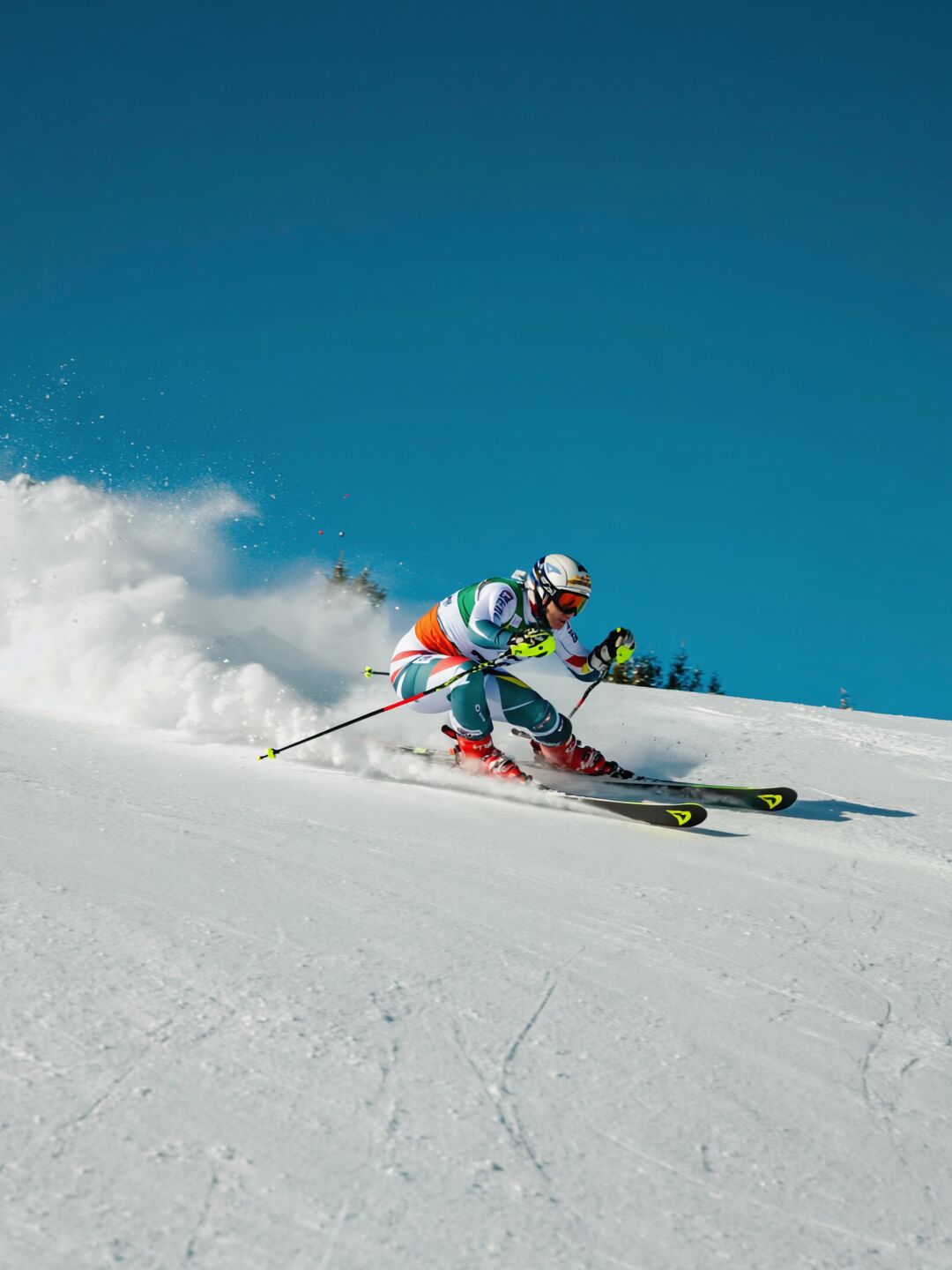
You dress for skiing in three layers: a snug thermal base layer (merino or synthetic, not cotton), an insulating fleece, and a waterproof ski jacket and pants. On top of that a helmet, ski goggles, waterproof ski gloves, and a single pair of ski socks. The system exists because over one ski day the temperature swings by ten degrees: cold on the lift, warm after ten turns, the sun scorching at noon, and at three-thirty, when the shade creeps over the slope, you freeze. Anyone who wears a "warm garment" instead of a system ends up both freezing and sweating, usually at the same time.
In short, what to wear for skiing:
- A snug thermal base layer, not cotton
- A fleece
- A ski jacket and pants, 10,000 mm and up
- A helmet (mandatory at every age in Italy)
- Ski goggles, not sunglasses
- Ski gloves, mittens for kids
- Ski socks, one pair
- Sunscreen and lip balm with SPF
Three Layers
The first, next to the skin. A long-sleeve top and thermal bottoms in merino wool or synthetic fabric. It isn't there to warm you, it's there to wick sweat away. Not cotton, under any circumstances: cotton soaks up sweat, stays wet and chills you. A cotton shirt under a ski jacket is the number-one reason a child shivers at noon. He warmed up on the slope, worked up a sweat, and now he's wearing a wet rag in the wind.
The second, insulating. A fleece or a thin sweater. You take it off when it's warm, add it back on the lift, and on a sunny March day you sometimes skip it altogether. Two thin ones beat one thick one.
The third, protecting. A ski jacket and pants that are waterproof and windproof and breathe out. The label lists a waterproof rating in millimeters: 10,000 is the comfortable threshold for a full day on the snow. Jeans and sweatpants are not a third layer, even on a beautiful day. On the snow you sit, fall and lean on the lift, and the first fall leaves you wet until evening.
The Extremities
The body protects the internal organs and sacrifices the fingers, ears and nose. They're what decides whether the day ends at ten or at four.
- Gloves. The most important purchase on the list. Waterproof ski gloves, not wool gloves and not running gloves. For children and anyone with cold hands, mittens, where the fingers warm each other. A spare pair in the parent's bag is worth its weight in gold after the first snowball war.
- Socks. One pair only, ski socks that reach just below the knee. Two pairs press on the foot, restrict blood flow and actually make you colder. A thin merino sock is warmer than a thick cotton one.
- Helmet. In Italy it's mandatory for everyone, at every age, and in any case it warms your head better than any hat. You rent it with the gear. Under it, a thin cap or nothing.
- A warm neck gaiter (buff) for a windy day. On an open lift at minus ten, it's the difference between a ride and an ordeal.
- Ski goggles, not sunglasses. They seal out the wind and don't fall off in a fall, and on a cloudy day, when snow and sky blend into a uniform white, a light lens gives the slope its shape back. Sunglasses stay for the lift and the terrace.
- Hand warmers. Disposable sachets good for a few hours, inside the glove, not on the skin. A cheap trick, and for kids almost a must.
The Sun
For every thousand meters the radiation rises by about ten percent, and fresh snow reflects up to eighty percent of it back up, onto the chin and nose. At the height of the Belvedere above Canazei, 2,500 meters, you burn in February within an hour, even at minus five, even on the terrace. High-SPF sunscreen on everything exposed before you head out, again at noon, lip balm with SPF (lips burn first), and UV-protection glasses even for those who aren't skiing.
What It Looks Like on an Ordinary Day
Morning, leaving the hotel: the three layers, helmet, goggles on the helmet, gloves, neck gaiter. In the pockets: sunscreen, lip balm, phone, and the sandwiches you made at breakfast.
On the first lift: cold. Zip everything up and pull up the gaiter.
After three runs: warm. Open the vent zippers under the armpits, before you take off a layer.
Midday in the sun: jacket open, fleece tied around the waist, reapply sunscreen.
Three-thirty: the shade creeps over the slope and the temperature drops. Zip everything back up and head home down a run you know. This is also when the body is tired, and this is the hour of injuries.
Children get cold faster and complain less. Pale, white fingers or ears: inside now, warm them with your hands or in lukewarm water, don't rub.
And in the evening: at the hotel you put on normal clothes. The wet boots, jacket and gloves go to the hotel's heated boot room; socks can go on the radiator. And for the street, warm shoes with a good sole, because the village sidewalks are snowy.
What to buy and what to rent, in the gear guide, and how all of it fits in a single trolley. Not sure whether what's in the closet is enough for a week in Canazei? Send us a list. Talk to us at Har Tayarut.
Can you wear jeans for skiing?
No. Jeans soak up water, and the first fall or the first sit in the snow leaves them wet until evening. You need waterproof ski pants, 10,000 mm and up according to the label.
Why don't you wear cotton for skiing?
Cotton soaks up sweat, stays wet and chills the body. The layer next to the skin should be merino wool or synthetic fabric, which wick moisture away from the skin.
Are sunglasses enough for skiing?
No. Ski goggles seal out the wind, don't fall off in a fall, and on a cloudy day their light lens gives the slope its shape back. Sunglasses with UV protection are good for the lift and the terrace.
All magazine posts · To the kosher ski vacation · To the kosher summer vacation · Har Tayarut